
Mobile app for iOS and Android devices. Notey, Inc. Released in 2024. Free 7 day trial with $59.99 individual annual subscription to access the full game. School/studio license pricing available.
In 2023, Artificial Intelligence (AI) became mainstream with the release of ChatGPT Large Language Model (LLM) chatbot. Issues with this early LLM technology included citing false information, hallucinations, and confusion over the permitted access to information the technology was using. I observed similarities between these language-based AI tools and music production, composition, and learning tools and apps that had been around for, in some cases, decades. Several months later, a colleague and research mentor pointed me towards a podcast interview of two app developers who had just received a generous grant from the South Carolina Research Authority to support the release and classroom distribution of a Machine Learning (ML) powered instrumental music learning tool, Notey’s World.
Mak Grgic and Adithya Bellathur started development of the music learning app in 2021. Mak is a guitar professor at the University of South Carolina and saw a gap in the market for an instrumental music learning app designed for children. Utilizing the concept of educational “Gamification”, Mak and Adi set out to create a gamified music learning platform that encouraged student motivation and allowed music teachers to modify the learning “path” based on their pedagogical method and learning goals set for their students. The app uses ML to assess the students’ performance in real time and adjust the learning path when more reinforcement is needed.
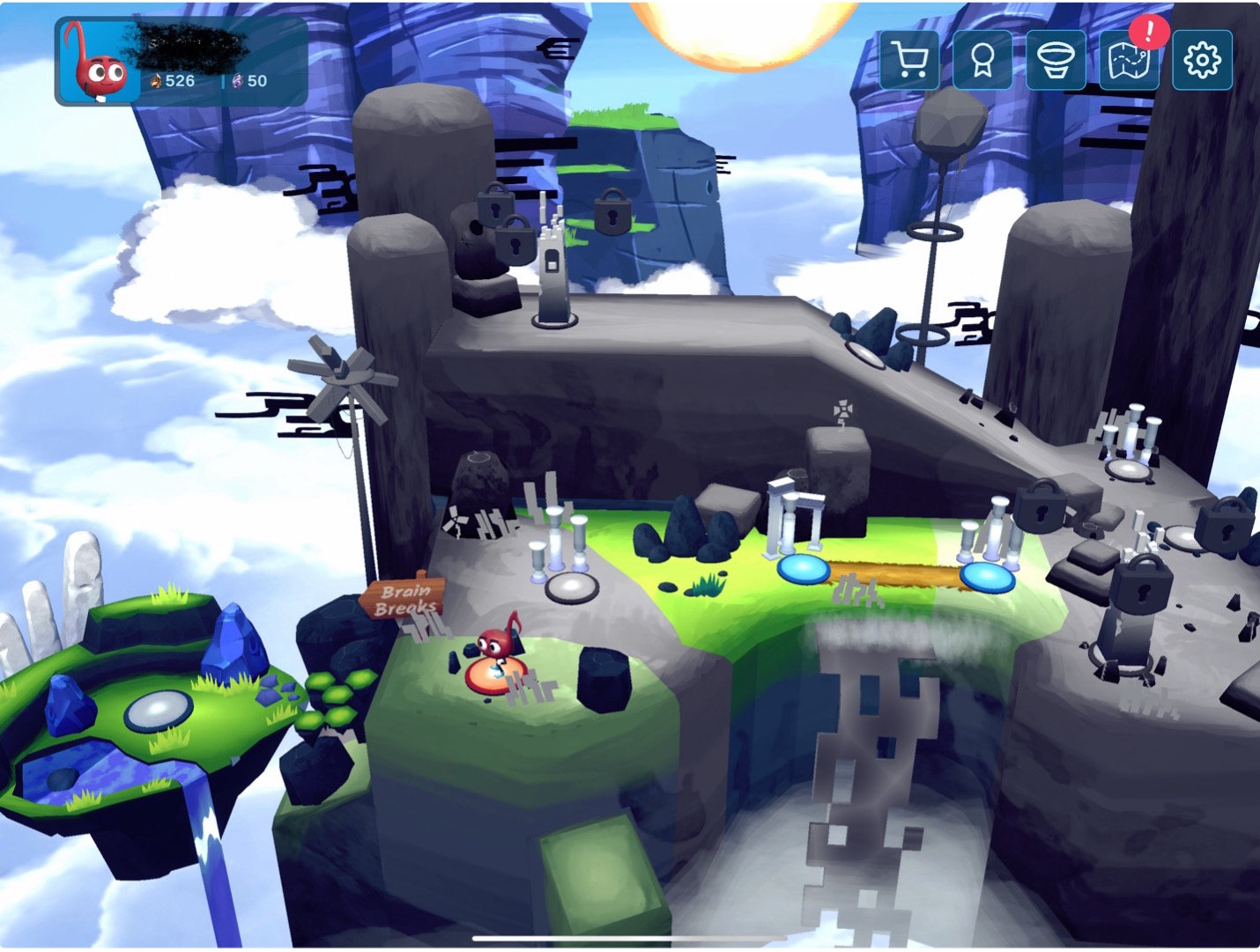
Figure 1: The Notey’s World Emerald Isle Learning Path.
Throughout my 25-year teaching career, I have always been interested in and experimented with music educational technology tools. I found smart devices and associated applications fascinating and useful in the music classroom. The most effective apps employed Gamification of learning goals, a design concept that introduces storytelling elements and rewards systems that resemble features of games meant for entertainment. When opening Notey’s World for the first time, an illustrated narrative sequence explains how the main character “Notey” is called on to complete a series of quests through various levels of the game. After learning how the game mechanics work and a gamified tuning activity, Notey sets off on an adventure, learning guitar technique and musicianship skills such as music literacy and harmonic improvisation along the way.
I have been exploring as Notey through the 5 different island worlds, learning the guitar. Students at schools in the Southeast region of the US have had advance access to the app for some time and reports of success are documented on the app’s informational website. A feature that is unique to this music learning app is the Brain Break area that you can see in figure 1 and is present at the start of each level. I have observed students using the app visit the Brain Break to remain in the learning app after becoming frustrated when unsuccessful at other levels. Students have also informally reported that they use the Brain Break to warm up before starting a new level or to test their smart device microphone.
Notey’s World uses a type of Artificial Intelligence technology called Machine Learning. ML programming analyzes data collected while playing the game. Data include music elements like pitch accuracy and rhythmic precision, along with many non-musical elements. The ML programming uses these data to “decide” on the sequencing of content presented in each level. This feature is meant to encourage continued play by attenuating the prizes received based on achievement, progressing more quickly for advanced students, and introducing review sessions for those who need it.
AI-ME technology has existed for some time, such as the 3-decade evolution of software like SmartMusic. Video games such as Guitar Hero taught a generation of children and adolescents about classic rock and metal music, along with how to play a fake plastic guitar. AI-ME tools featuring Gamification design combine these two successful program ideologies. Studio and classroom music teachers can use these tools to help guide their students on an exciting, adventurous learning journey leading towards the goal of lifelong music participation.


 Copyright © The College Music Society. All Rights Reserved.